Cross-border travel was rewarding but demanding. You learned that careful preparation mattered most. The right documents, route plans, and safety electronics like navigation and a dash cam reduced hassles.
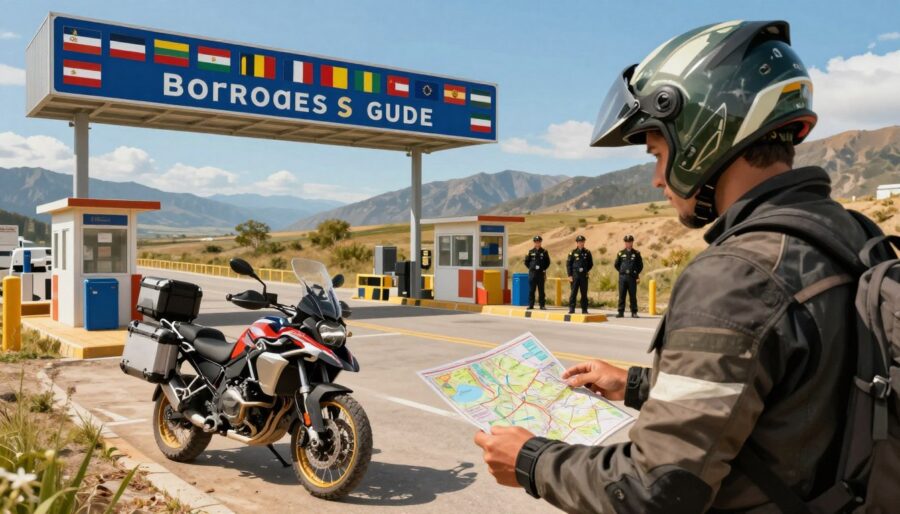
You would typically approach a booth, expect a possible secondary inspection, then deal with customs and immigration. Vehicle paperwork was checked next, so keep your insurance and import papers handy.
This section focused on cutting mistakes that cause delays. Missing documents, unclear answers, or messy paperwork often triggered long holds. You were shown how checklists, backups, and timing strategies kept the trip moving.
Key takeaways: prepare documents, secure vehicle permissions, use electronics for safety, and stay polite and organized to keep the adventure smooth.
How to prep before you ride to an international border
Before you roll up to immigration, a few quick staging steps cut fumbling and delay. Do them in the parking lot so you move confidently when you reach the booth.
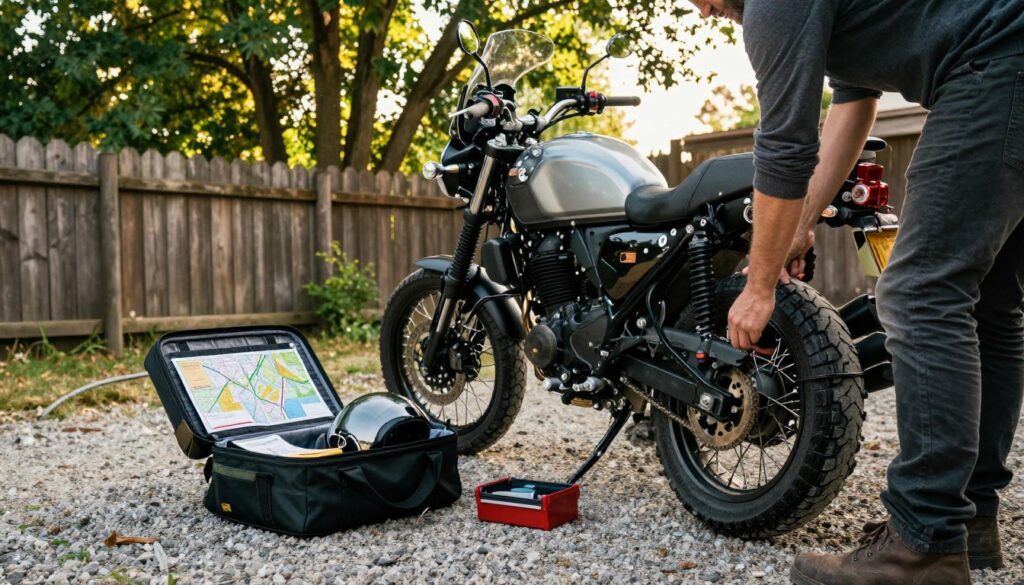
Stage essentials for fast access
Keep your passport, wallet, phone, and small cash within arm’s reach—tank bag or jacket pockets work best. Use a two-pocket system: one pocket for items you hand over and one for receipts, cards, and your phone. This prevents mixing items under pressure and saves time.
Weatherproof and sort documents
Seal originals and copies in resealable plastic bags. Keep originals separate from copies so you never soak the only usable papers. A small folder inside the tank bag keeps documents flat and visible.
Set electronics and do a quick bike check
Switch your speedometer/GPS units to the local setting before you cross. Quick conversions: 30 mph=48 kph, 40=64, 50=80, 55=88, 60=96, 70=112. Check lights, plate number legibility, tires, and mounts to avoid inspection surprises.
Plan for traffic and heat
If you hit long lines on the road, you’ll already have water and rain gear ready. To prevent overheating in stop-and-go traffic, consider engine-off spells and push-start tactics when safe.
Documents and requirements you’ll need for crossing borders on a motorcycle
Arrive with your core IDs and ownership documents visible to speed the inspection. Have a slim folder ready so you can present what is asked without digging. That short action cuts questions and lines.
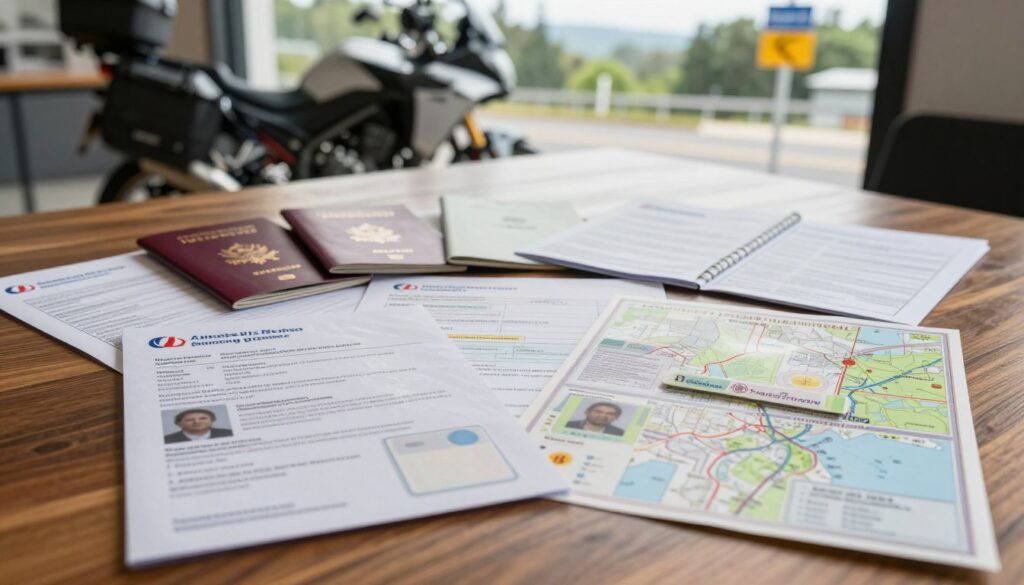
Passport readiness and what to show
Confirm your passport has sufficient validity for entry; some countries want six months beyond your planned stay. At the booth, keep the passport open to the photo page and any current visas so an officer can scan quickly.
Driver credentials and ownership papers
Carry your regular driver’s license; an International Driving Permit helps where officials expect a standard format.
Bring registration plus the title or ownership card. Showing both reduces back-and-forth and proves you control the vehicle.
Insurance, visas, and copies
Insurance often means international coverage or a local policy bought at the point of entry. Keep proof of insurance handy as core paperwork.
Check visa rules for the country you plan to visit and confirm requirements close to departure. Rules can change rapidly.
- Print one full duplicate set and keep a second set sealed in your luggage.
- Store digital scans in a secure cloud folder and on your phone.
- Use clear labels so you hand over only what is requested.
Motorcycle border crossing guide to vehicle paperwork: TIPs, carnets, and country rules
Crossing into a new country often means two checks: one for you and one for your vehicle. Immigration stamps your passport, but customs decides if your vehicle may enter. That split is why paperwork matters more than you expect.
When a Carnet de Passage is required
Some countries insist on a Carnet de Passage as a vehicle passport or guarantee. Examples include India, Pakistan, and several African countries.
It can be costly and confusing, and staff at small offices may not know the process. If a Carnet is required, arrange it well before you travel.
How Temporary Import Permits work in the Americas
In North, Central, and South America you typically use a Temporary Import Permit (TIP) instead of a carnet. A TIP often costs from free to about $15–$50.
- At the customs office you usually get a paper permit after documents are checked.
- Customs most often asks for your passport, vehicle title or proof of ownership, and sometimes your license.
- TIP validity usually mirrors allowed stay in days; overstays can lead to big fines or seizure.
Always cancel the permit when you exit. Failing to close a TIP can record your vehicle as illegally left behind and cause trouble on future crossings.
Timing and traffic strategies to reduce border wait times
Timing your arrival can cut hours off your wait and change the tone of the whole trip. Plan so you reach the checkpoint after sunrise and before the morning rush. Early weekday arrivals usually face far less traffic and shorter processing times.
Choose off-peak windows
Aim for before 8:00 AM on weekdays. That slot often avoids commuter surges and commercial peaks. If you ride late, you may hit long lines or merged lanes near busy bridges like Queenston-Lewiston or the Ambassador Bridge.
Check wait times in advance
Use official wait-time sites or apps and re-check shortly before you commit. Real-time updates can show spikes so you can switch plans without costly delays.
When expedited programs help
Programs like NEXUS can save you time, but only if a separate lane exists at that crossing. Some crossings funnel lanes together near the plaza, which reduces the benefit even if you hold a card and a known membership number.
- Build a plan B crossing into your route.
- Fuel, stage documents, and arrive calm—don’t roll up stressed.
- Less stop-and-go traffic lowers overheating risk and keeps you safer on the road.
What to expect at the border office and how to answer questions smoothly
A clear, confident first impression at the office often keeps processing times short. Stop cleanly, remove your helmet and sunglasses, keep your hands visible, and have your passport and key documents ready to present.
How to present yourself at the booth
Step forward only when invited and speak calmly. Hand over only what is asked and avoid rummaging through bags while the officer is waiting.
Common questions and short answers
Officers typically ask for your license plate, where you live, the purpose of your trip, your first-night destination, and how long you will stay. Answer plainly: say your residence, state the trip purpose (for example, “vacation”), name the first town you’ll sleep in, and give a specific return date or timeframe.
Declaring food, alcohol, and controlled items
Be honest about any alcohol, food, or controlled items. Undeclared goods can cause fines or further inspection. When entering the U.S., do not attempt entry with cannabis or CBD products since federal rules apply.
- Why clarity matters: vague replies invite extra checks and delays.
- Plan your answer: give a concise itinerary and a clear date for your next move or return.
- Keep documents ready: a tidy presentation speeds entry and reduces friction.
Staying safe while waiting in line and riding in unfamiliar conditions
Long waits in checkpoint queues can turn a short stop into a test of patience and equipment. You needed simple tactics to protect both your body and your bike when lines stalled for hours.
Prevent overheating with engine-off tactics
Stop-and-go traffic can overheat an engine fast. If the line barely moves, shut the engine off to avoid heat damage.
When you cut the motor, push the bike forward a few feet as the line creeps to save the battery and clutch wear.
Battery-saving and small checks
- Turn the key fully to OFF so the headlight and electronics stop drawing power.
- Use neutral and a gentle roll or push when the queue advances to avoid repeated starter use.
- Keep a spare battery pack or jumper leads in case a long wait drains power.
Hydration, heat, and rain management
Drink water early and often. Vent or remove layers when it’s safe so you cool down quickly and can ride comfortably when released.
If rain starts, wearing rain gear while stopped prevents chill and distraction. Wet, cold riders make weak decisions on the road.
Plan for long waits: treat a short delay like a possible multi-hour halt. These small steps came from real-world experiences where a drained battery or overheating engine ruined the day.
Tech and gear that make international border crossings easier
Good tech makes the unknown roads feel familiar and keeps your focus where it belongs—on the ride.
Navigation systems for cross-border routing and offline maps
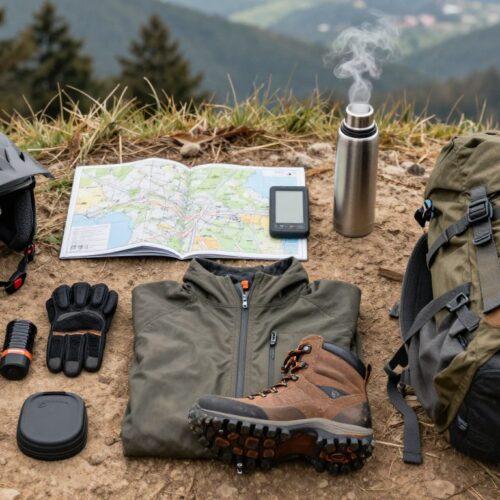
Use a dedicated unit with offline maps, lane guidance, rerouting, and voice prompts. Offline maps keep you moving in remote areas and help you find fuel, repair shops, and lodging after entry.
Why a dash cam protects you
A dash cam records accidents, disputes, and interactions with officials. Clear footage helps support documents and insurance claims when language or local practice complicate a report.
Device features that matter on long rides
Choose gear rated IP67 or IP69K, with vibration resistance, a high-brightness screen, and a stable GPS lock. Aim for at least 1080p recording; 2K gives better plate clarity.
Connectivity planning
Set up a local SIM or eSIM, carry spare power banks, and store emergency contacts offline. These steps keep your travel app, maps, and safety tools alive across the world.
- Dedicated nav > phone for sustained use on varied roads.
- Dash cam evidence speeds dispute resolution and claim processing.
- Robust gear reduces failures on long international adventure routes.
Conclusion
Closeout habits—like cancelling permits and backing up receipts—keep future entries smooth.
Use a repeatable checklist: passport and visa ready, answers rehearsed, paperwork organized, and your title or ownership card easy to hand over.
Remember the legal pillars: your right of entry (passport/visa) and your bike’s legal status (insurance and any permit).
Pick off‑peak hours when possible, stage documents in resealable bags, and manage hydration and engine heat while you wait.
Cancel temporary import permits when you exit, keep digital backups, and run a consistent nav and dash‑cam setup. The payoff is simple: smoother crossings, fewer surprises, and more time to enjoy the world and the experiences you came for.