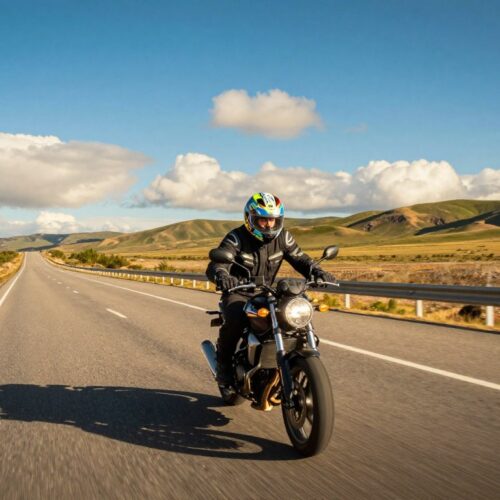
You expect long trips to be freeing, not a source of soreness. This guide gives a practical playbook so you can prevent common discomfort and find motorcycle rider neck pain relief during and after long rides.
Quick preview: stiffness often shows up as neck stiffness, shoulder soreness, or upper-back tightness. These signs usually come from posture, bike setup, long ride duration, and stress.
This article is for anyone who spends long hours on U.S. roads—touring, commuting, or stacking weekend miles. You will learn how to tweak your setup, change posture by bike type, add smart breaks, and use simple recovery steps.
Each upcoming section covers why symptoms happen, setup adjustments, specific posture tips, stretches and exercises, useful gear and hydration habits, and when to seek professional help.
Safety note: sharp, worsening, or unusual symptoms deserve prompt attention and may need medical evaluation.
Why Neck Pain Happens on Long Motorcycle Rides
Long hours on the road can quietly overload the muscles that support your head and shoulders. Small posture breakdowns—slouching, a rounded upper back, or craning forward—add microstrain that builds mile after mile.
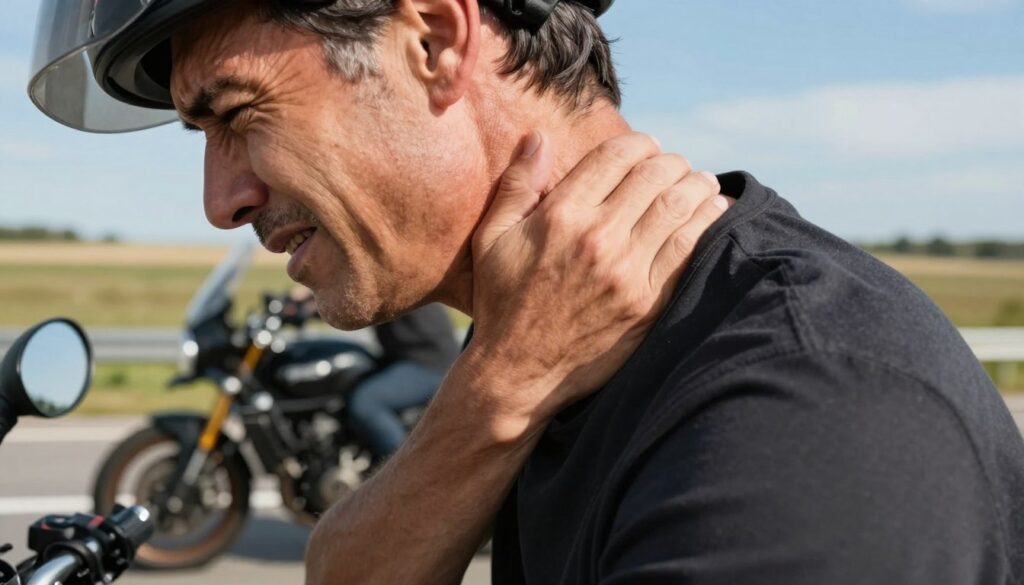
How posture and position create upper back strain
Static loading occurs when muscles stay contracted to hold your head and torso steady. Even on smooth roads, that constant tension makes the upper back and shoulder area reactive and sore.
How bike setup changes shoulder and arm tension
Reach to the bars, grip height, and cockpit length change your shoulder and arm demands. Overreaching or locking elbows increases strain and magnifies discomfort over long distances.
How duration, stress, wind, and helmet weight add up
Long rides, heavy traffic, and tight schedules speed muscle fatigue. Wind pressure at speed forces your head into resistance, and a heavier or poorly fitting helmet raises that load.
- Key takeaway: small fixes to posture, position, and setup reduce unnecessary tension at the source.
Set Up Your Bike and Body for Motorcycle Rider Neck Pain Relief
Proper bike fit and simple body cues make long miles feel easier on your upper body. Small adjustments to controls, seat, and posture can cut steady strain and keep you focused on the ride.
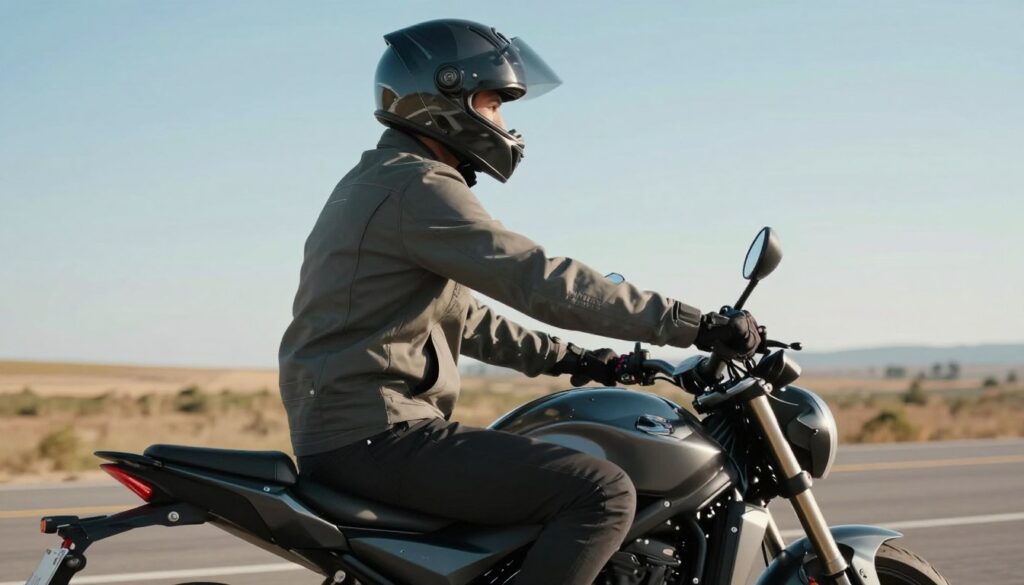
Find a neutral head and neck position
Keep your eyes up and chin level so you look with your eyes, not by bending your head down. This neutral position reduces constant extension and lowers long‑term muscle load.
Relax shoulders and keep them down and back
Use the cue “shoulders down and back” to drop tension away from your ears. A relaxed upper body takes baseline pressure off the spine and helps breathing stay easy.
Hands, elbows, forearms, and seat height
- Keep elbows slightly bent so they act like suspension; locked arms pass vibration into your shoulders and neck.
- Lighten your grip, reposition your hands during safe stops, and avoid death‑gripping the bars.
- Align forearms parallel to the ground to reduce wrist and shoulder pressure.
- Adjust seat height so hips and knees are comfortable for long time spans—aim for a soft bend, not fully locked or cramped.
Bike fit is personal: if your body size forces reach, change the cockpit rather than adapting with poor posture. Review handlebar position or choose bars better matched to your height to cut recurring shoulder and neck stress. These setup tips make further posture guidance by bike type much easier to follow.
Use the Right Riding Posture for Your Motorcycle Type
A small change in how you sit can make long miles feel much easier on your body. Choosing the correct posture for your bike type reduces strain faster than forcing one stance for every ride.
Standard / upright posture
What to aim for: a neutral back and neutral neck, shoulders relaxed, and elbows slightly bent. Let your forearms sit parallel to the road so your arms absorb shock, not your head.
Your legs usually form close to a 90-degree angle. That leg position supports the pelvis and helps stop your back from rounding.
Sport posture adjustments
Sport riding puts you forward and tilts the pelvis. That increases load on the lower back unless you keep your head in mild extension and your wrists mostly neutral.
Engage your core to stabilize the body. Avoid long stretches in this position at low speeds — time spent here can amplify back pain.
Cruiser posture considerations
Cruiser setups feel relaxed at low speed: hips open, pelvis neutral, and a loose upper body. At higher speed, wind pressure often forces you forward to control the bike.
That forward lean can fatigue the neck and midsection. Test posture changes in short rides first and scale up so your body adapts without flare-ups.
- Define the difference between upright, sport, and cruiser postures to match your bike and reduce common back and neck issues.
- Try small adjustments, then ride for short time blocks to build tolerance.
Do Targeted Stretches Before, During Breaks, and After You Ride
Targeted mobility work before, during, and after a ride helps reset tight muscles and keeps you moving freely. You spend long time in a fixed position, so short mobility breaks reduce accumulated tension and lower the chance of later pain.
Neck circles to loosen stiff neck muscles
Move slowly through comfortable ranges. Start with small circles and increase size only if it feels easy.
Avoid forcing end-range positions. Focus on reducing stiffness in the muscles and keep breaths steady.
Arm swings to reduce shoulder and upper back tension
Stand tall and swing your arms forward and back, then side to side. This opens the chest and encourages shoulder mobility.
Do sets of 10–15 swings to break up upper-body guarding that adds strain while riding.
Forward folds to decompress the back and posterior chain
From a standing position, hinge at the hips and let your torso hang. Bend knees slightly if the hamstrings feel tight.
Hold for 20–30 seconds and use small knee bends to make the movement controlled and gentle.
How stretching improves flexibility and joint mobility
Better flexibility and joint mobility let your body absorb bumps and wind gusts without overloading one muscle group.
Try a simple routine: 2–3 minutes before you ride, 1–2 minutes at fuel stops, and a longer cool-down after the ride to restore normal movement.
- Listen to pain: stretching should feel like mild effort, not sharp pain. Stop if symptoms worsen.
- Performance boost: fewer tight muscles reduce fatigue and help you stay focused on the road.
Hydration and Gear Habits That Reduce Muscle Fatigue
Staying hydrated and choosing the right gear are simple steps that cut fatigue and keep you sharper on long trips.
Even mild dehydration increases muscle fatigue, slows reaction time, and makes discomfort feel worse late in the day.
Why water and electrolytes support muscles, joints, and reaction time
Water and electrolytes help fuel muscles and keep joint surfaces lubricated so movement feels smoother.
Keep a steady sipping plan: a cup every 30–45 minutes during warm weather, and add electrolytes when you sweat a lot or ride long time blocks.
Choose a properly fitting, lightweight helmet to cut stress
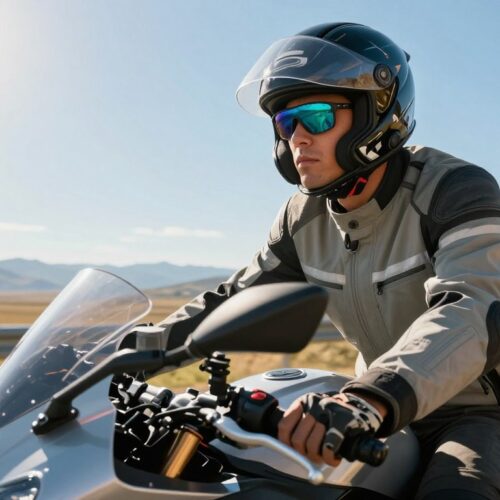
Select a lightweight helmet that meets safety standards and balances on your head without tilting it forward.
Quick fit check: the helmet should feel snug and centered, not pulling your head into a forward position that creates fatigue.
Use breathable long-sleeved gear to limit sun exposure and water loss
Light, breathable long sleeves protect your skin and reduce sweat-driven fluid loss while letting heat escape.
This combo of hydration and cooling layers helps your body keep posture longer and reduces cumulative muscle strain.
- Quick tips: sip regularly, add electrolytes on hot days, pick a balanced helmet, and wear breathable layers.
- These habits add up: less fatigue means better posture and fewer late-day issues on the road.
What to Do When Pain Shows Up Mid-Ride or After You Park
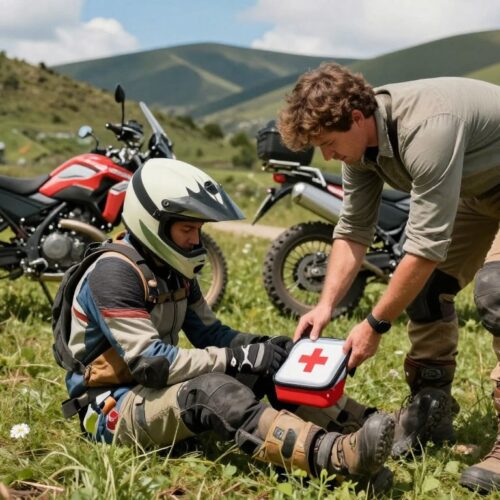
If discomfort starts while you’re on the road, quick, calm steps can stop a simple ache from turning into an injury.
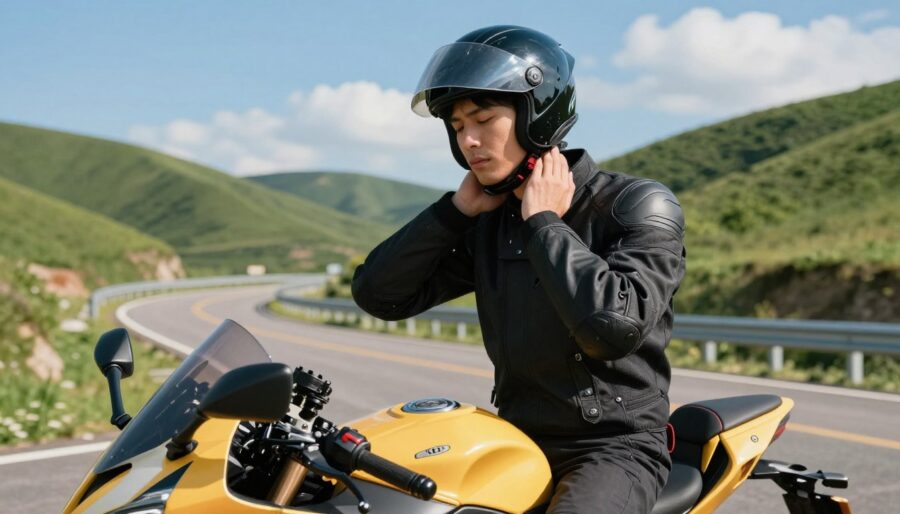
Know the difference: normal soreness feels dull and improves with rest. Concerning symptoms include sharp pain, any loss of movement, trouble raising your arm, or being unable to remove your helmet after parking. Treat these signs as red flags and act without delay.
Immediate on-the-spot actions
Get safely off the road and stop movement that makes symptoms worse. Avoid testing painful ranges repeatedly.
Apply cold first for suspected inflammation—use a frozen water bottle or a bag of frozen peas for 10–15 minutes every hour while you can.
Transition care and quick posture resets
After the first few hours, if symptoms are clearly improving, switch to heat to relax tight tissues and restore comfort.
Reset posture mid-ride: drop your shoulders, soften your grip, change hand position on the handlebars, and re-center your head. These small changes reduce upper-body tension fast.
When to seek professional treatment
See a physiotherapist if symptoms persist, recur over miles, or cause functional loss. A therapist provides a personalized treatment plan with posture coaching, specific stretches, and targeted strengthening.
- Tip: if you can’t move an arm or remove your helmet, suspect tendonitis and apply cold immediately.
- Quick check: recurring flare-ups often mean your position or handlebars need adjustment—review reach and controls.
Conclusion
A few consistent habits will keep long trips comfortable and let you enjoy more miles.
Reduce neck pain by combining better riding mechanics, a smarter bike fit, and simple recovery habits. Aim for a neutral head alignment, relaxed shoulders, and slightly bent elbows. Match your cockpit to your body so reach and grip don’t force bad positions.
Do brief stretches and core exercises before rides, during breaks, and after you stop. Stay hydrated and pick a balanced, lightweight helmet to cut fatigue so you can hold good form longer on the road.
Remember the difference between standard, sport, and cruiser setups and adapt your approach to the bike and how many miles you usually ride. If symptoms persist or worsen, seek professional evaluation for targeted care so you can get back to comfortable riding.