Long highway miles can quietly drain your alertness even when you feel awake. This guide explains why managing rider fatigue and boredom matters on every motorcycle trip in the United States.
You will learn to see the practical difference between staying awake and keeping situational alertness. Monotony and mental drift harm reaction time just as much as sleep does. The AAA Foundation reports 9.5% of all motorcycle crashes in America link to fatigued riders; this shows wear on focus is a preventable risk.
Read on for clear, present-tense tips you can use now. You get steps to spot early warning signs, plan breaks and sleep, and use on-road habits that protect scanning, decision-making, and control on the road.
Page setup note: ensure your title and description match the on-page H1. Also confirm viewport/meta width device-width and width settings for mobile readability.
Why long highway miles make you drowsy on a motorcycle
Smooth, unchanging roads often trick your brain into lower vigilance while riding. A steady-speed highway feels “easy,” yet reduced stimulation leads to slower scanning and the classic highway hypnosis that shrinks attention over time.

Awake vs. alert: you can be awake but not alert. Awake means conscious; alert means quick processing, movement control, and ready responses. If your mind drifts while your eyes wander forward, you lose early hazard detection.
- Repetitive inputs—constant lane position, steady throttle, and few turns—let boredom build and reduce situational awareness on long trips.
- Fatigue shows up as delayed braking, missed signs, and misjudged closing speeds—factors in avoidable accidents on open roads.
- The AAA Foundation reports 9.5% of motorcycle crashes in the United States tie to tired motorcycle riders, so this is a real risk.
Many riders think they can’t fall asleep on a bike, yet drifting, startling awake, or drifting onto the shoulder are common. Catching fatigue early saves time and risk; a planned stop restores alertness far faster than trying to push through.
Spot the warning signs of fatigue before you start missing hazards
Detecting early signs gives you time to act before hazards appear. Small changes in vision, focus, or control often precede real danger on long motorcycle rides. Watch for them early and treat the first sign as a cue to pause.
Heavy eyes, trouble concentrating, and mind wandering
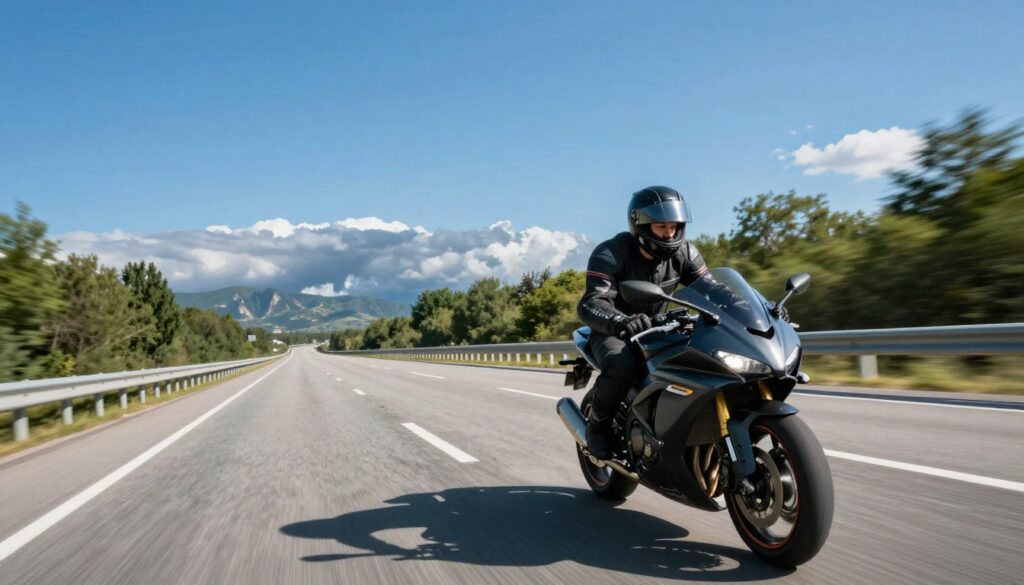
If your eyelids feel heavy or you blink more than usual, that is a clear signal to stop. Trouble tracking traffic patterns or frequent mental drift means your alertness is slipping.
Tunnel vision and reduced peripheral awareness
Tunnel vision feels like your straight-ahead view is fine while side threats vanish. Missing a car edging into your lane or a sudden slow-down often starts here.
Slower coordination, weaker grip strength, and difficulty controlling speed
Performance-based signs matter as much as feelings. Watch for delayed throttle or brake timing, sloppy lane position, and trouble holding steady speed.
- Quick self-check: heavy eyelids, frequent blinking, tracking trouble, mind drift.
- Performance cues: weaker grip, delayed controls, sloppy lane holding.
- Crash pathways: missed signs, late reactions to debris, misread advisories increase accidents.
Action rule: if you notice two or more warning signs at once, stop at the next safe exit or rest area—don’t push through. A short break with water often restores alertness; if you feel like you could fall asleep, plan for real sleep before riding again.
Pre-ride planning that prevents managing rider fatigue and boredom
A short plan before you leave makes long miles safer. Decide how far you can ride each day based on your experience and comfort. Use the common 300–400+ mile marker as a guide, but many riders find 200–300 miles per day easier to sustain.
Set a realistic daily mileage goal
Pick a target that accounts for traffic, weather, and fuel stops. Arrive with energy left so you make good choices at the end of the day.
Bank sleep before you go
Build extra rest in the week before the trip and treat 7+ hours the night before as a baseline. This helps you start each day sharper and lowers risk on long highway stretches.
Plan around low-energy times and routes
Most people dip between 3:00 and 5:00 pm. Schedule a longer stop, an early arrival, or a scenic detour during those hours. Vary roads to break monotony and keep riding engaging without adding risk.
- Pre-map rest stops, hotels, fuel, and safe pull-offs so you do not hunt for a place to stop.
- Start early after you are fully awake to use your best mental hours.
- Choose routes that mix highways with scenic segments to reduce monotony.
On-the-road habits that keep your body energized and your mind sharp
Good in-ride habits preserve your focus, circulation, and reaction speed on extended trips. Use simple routines so fatigue does not build unnoticed during long motorcycle stretches.
Use consistent rest breaks and stretching
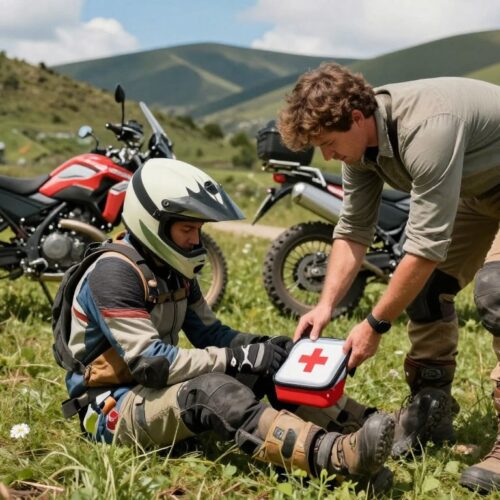
Plan rest breaks at least every 2–3 hours to stretch and drink water. If you are new to long motorcycle rides, take a break every 60 minutes during early days.
Stretching restores circulation, eases stiffness, and sharpens focus before you re-enter fast traffic.
Hydrate and eat light
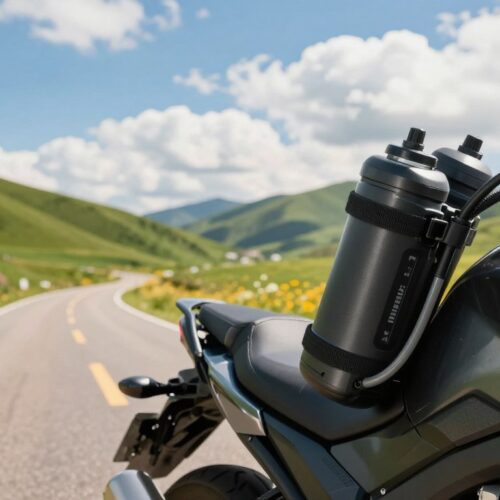
Sip water regularly; wind and heat speed dehydration and increase fatigue. Carry a refillable bottle and top up before you feel thirsty.
Eat lighter meals to prevent energy crashes. Keep travel snacks like nuts, protein bars, or wholegrain crackers handy for steady energy between stops.
Caffeine, naps, and decision discipline
Use caffeine as a modest boost, not a cure. It can mask sleepiness.
When alertness drops, a short power nap in the 10–26 minute range often restores reaction time. If breaks do not help, choose real sleep and change your schedule.
- Rest schedule: 2–3 hours standard; 60 minutes if adapting.
- Hydration: sip water regularly.
- Food: light meals, protein snacks.
Dial in comfort to reduce muscle fatigue on multi-hour rides
A well-tuned fit keeps your body working, not fighting the bike. A few setup changes stop ache from building over long motorcycle hours and help you stay focused on the road.
Set up your riding position for less strain on core, shoulders, and wrists
Check posture: neutral wrists, relaxed shoulders, and an engaged core reduce strain on small muscles. If you hold tension, your focus narrows and soreness grows faster.
Upgrade comfort touchpoints like seat, bars, and foot controls for long days
Invest in a supportive seat or cushion that matches your pelvis. Raise or pull bars and move foot controls so limb reach feels natural. These changes cut muscle load and make multi-day motorcycle rides easier.
Wear protective gear that reduces wind and sun fatigue instead of “cooling you off”
Use vented jackets and a full-face helmet or an open helmet with a proper visor to block wind blast. A windscreen also reduces constant buffeting and lowers effort to hold your line.
- Safety link: when your comfort is poor you fidget, focus narrows, and fatigue rises faster.
- Short posture checks and small control adjustments save energy over long rides.
- If you don’t ride daily, expect muscles to tire sooner—treat setup as performance, not luxury.
Beat boredom while protecting your senses on long highway stretches
Wind and visual strain quietly sap your focus on long, straight highways. Both constant noise and flat scenery tax your senses. That combination speeds hearing wear and lowers alertness on long motorcycle rides.
Manage wind noise and engine drone
Wear high‑quality earplugs to cut wind noise and engine drone. They protect hearing and reduce tiredness over long miles.
A windscreen also lowers blast and noise. Less noise means less sensory overload and fewer chances of drifting off on the road.
Troubleshoot vision and helmet gear
Check your windscreen, helmet visor, and sunglasses for optical distortion. Imperfect lenses cause headaches, disorientation, and reduced reaction speed.
Replace scratched or warped visors and update prescriptions to keep vision crisp on long rides.
Use audio wisely and avoid cruise control
If you listen to music, keep volume low and pick simple tracks so traffic cues stay primary. Complex or loud audio pulls attention from the road.
Avoid cruise control. Studies show it can slow reaction time and raise the chance of falling asleep, which increases accident risk.
Stay engaged solo or in a group
- Use brief mental check‑ins: mirrors, gauges, and scan patterns to reset focus.
- Talk aloud to yourself on solo rides to keep the brain active.
- Ride with a trusted group when possible; shared stops and signals reduce monotony, but keep your pace and safety rules first.
Avoid alcohol before you ride. It harms focus and sleep quality, which raises next‑day risk on the road.
Conclusion
Finish each day of riding by choosing alertness over distance; your safety improves when you stop before your skills fade.
Treat tiredness and drift as predictable risks, not flaws. Plan the day, schedule regular rest, hydrate, eat light, and use short naps when needed to restore alertness.
Watch for heavy eyes, tunnel vision, or sloppy control—those signs mean stop now. Pushing on raises the chance of accidents for riders across long trips.
Set up your bike, seat, helmet, and earplugs to cut noise and strain. Skip alcohol on travel days, protect night sleep, and add exercise so longer rides feel easier over time.
SEO note: match title and description to this article, verify cited data (AAA Foundation), and confirm viewport width device-width settings for mobile readability.