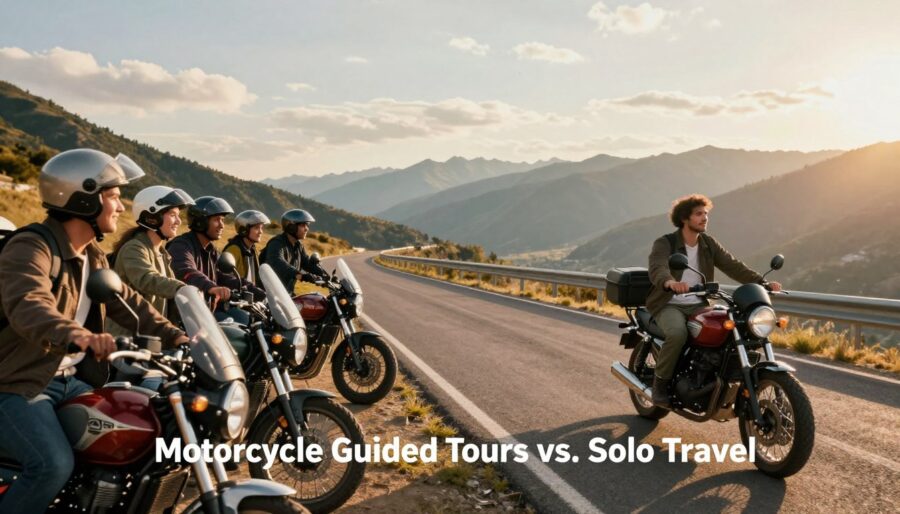
You’re choosing between a guided/group motorcycle option and going out on your own. Shasta Harley-Davidson framed this as freedom versus camaraderie, safety, and structure. Neither is best for everyone; the right pick matched what you wanted from the day.
This article will give you a clear, side-by-side look at planning, safety, pace, cost/value, social dynamics, and flexibility. You’ll see the core tension: guided outings trade some independence for logistics, backup, and less decision fatigue, while going alone gives full control and spontaneity.
Later sections will cover real-world factors like navigation mistakes that lead to riding after dark, weather exposure, and what happens when a bike goes down in a remote area. This is written for riders in the United States planning day rides, weekend runs, or multi-day trips who are unsure how much structure they want.
Expect actionable takeaways: a decision checklist, hybrid options, and practical risk-reduction tips so you can make a confident choice based on your personality, trip length, and risk tolerance.
What You’re Really Choosing: Structure and Support vs. Total Freedom
Deciding how much plan and backup you want changes almost everything about a day on the road.
Structure means fewer daily choices. Guided options have set start times, planned scenic stops, scheduled meals and fuel, and a lead rider who makes calls when conditions shift.
Total freedom means you call the shots. You can chase a detour, cut a day short, or add extra miles. That freedom comes with direct responsibility for fatigue, lodging, and daylight.
The way a route evolves is different too. Guided outings optimize for known great roads and predictable photo points.
When you ride on your own, the route often changes by curiosity, weather, or something you spot on the way.
Time plays out differently. A guided plan saves you time spent booking, rerouting, or fixing navigation errors.
On independent days, you can quietly lose time to last-minute reservations, wrong turns, or unexpected delays.
- Decisions per day: high for independent trips, low for structured ones.
- Support: practical (breakdowns, luggage, reservations) and emotional (confidence when things go sideways).
- Outcome: structure reduces unknowns; freedom increases choices and responsibility.
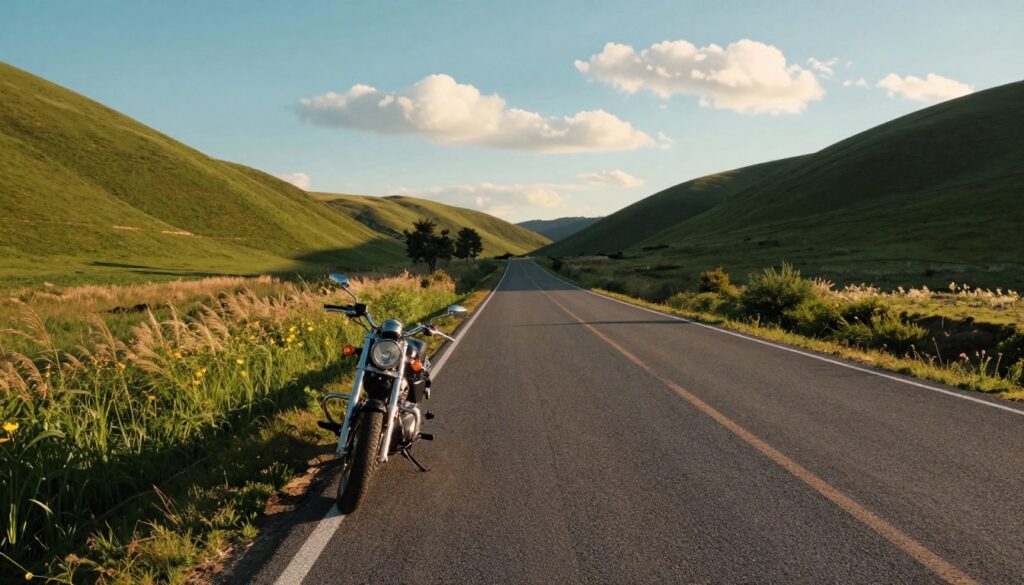
Quick Snapshot of Solo Motorcycle Travel
Riding alone turns the route into a personal canvas—you paint each stop, pace, and sight. This style of riding centers your choices. Your mood, energy, and curiosity shape the day.
Why riding feels more personal on the road
Immersion grows because fewer conversations mean more focus on scenery, road rhythm, and small towns. You notice details and control photo timing without rush.
Quiet benefits show up at meals and overlooks: peaceful breaks, slower photos, and time to think between towns.
- Personal direction: your route reflects your interests and pace.
- Deeper focus: more attention to landscape and history along the way.
- Self-reliance: making decisions in uncertain weather or lodging builds confidence.
- Trade-off: independence removes immediate backup for fatigue or mechanical issues.
- Two-up variant: keeps privacy and flexibility while adding shared support.
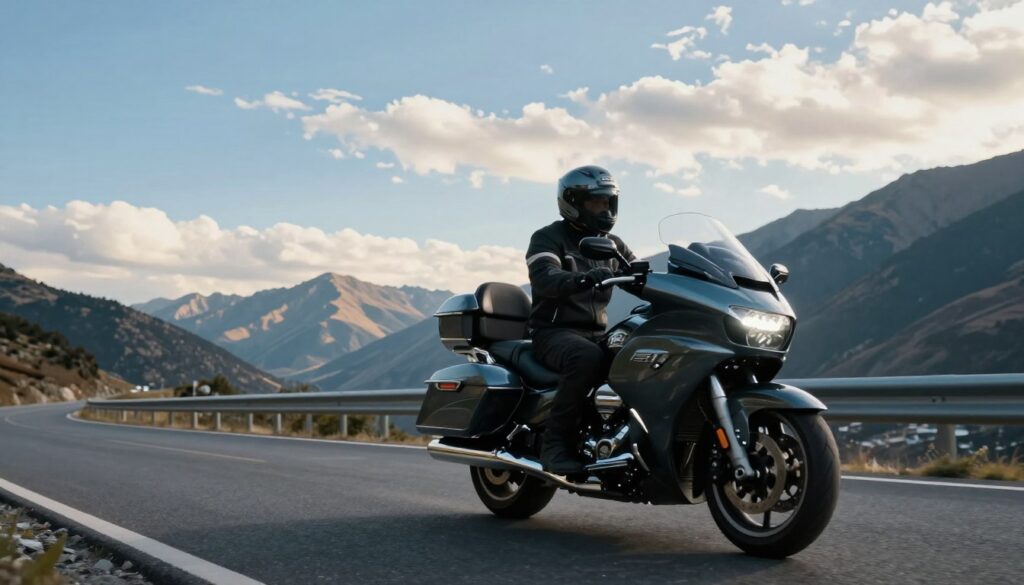
Quick Snapshot of Guided and Group Motorcycle Tours
Guided group outings give you a clear daily plan, a ride leader who sets pace, and a circle of people who share meals and road stories.
What a guided option typically includes
- Pre-planned routes with pre-programmed GPS files and printed route notes so you know the day ahead.
- Support services like a van for luggage, basic tools, replacement parts, and sometimes a spare bike.
- A lead and sweep system or staff who manage timing, fuel stops, and hotel check-ins.
How group size changes the experience
Small groups tend to feel more intimate and ride tighter. Large organized groups move slower, need more coordination, and can add wait time at stops.
Expectations and trade-offs
You get convenience, built-in backup, and an instant community, but you give up some spontaneity in route choices, stop length, and daily pace.
motorcycle tour vs solo travel: The Core Differences That Affect Your Trip
Your choice of guided support or complete independence sets the tone for planning, pace, and risk. Below is a compact framework you can use to compare the two options quickly and clearly.
Planning vs. showing up ready to ride
Planning burden: Going it alone means you handle routes, hotel bookings, and contingency plans. That often adds research time and “tedious work.”
Guided options: a leader or operator usually provides pre-planned routes and logistics so you arrive with an itinerary already built.
Independence vs. group structure
When you ride by yourself, you control start times, pace, and detours. You accept the consequences of those choices.
In a group, the leader sets meet times, fuel stops, and regroup points. That reduces decisions but limits moment-to-moment control.
Flexibility in stops, food, and photo breaks
Solo trips let you stop exactly when and where you want for meals and photos.
Group days often time-box breaks so the whole trip stays on schedule, which means compromise on where you eat or how long you linger.
- Core differences framework: planning burden, autonomy, stop flexibility, risk profile, social dynamics.
- Risk profile: guided options reduce navigation and mechanical stress; independence raises self-reliance needs.
- Social dynamics: groups add instant camaraderie; solo days give quiet and focus.
Options to consider: self-guided routes or small-group runs blend the best parts of both worlds.
Freedom and Flexibility on the Road
Choosing to be flexible on the road means your day can bend to weather, whim, or a great view. That flexibility shows up hour-to-hour in simple choices you make without asking anyone else.
Change course when conditions shift
You can reroute around a late storm, chase a scenic byway, or cut the day short when energy fades. Examples include swapping a highway for a back road, adding a viewpoint stop, or detouring into small towns you spot on the way.
Stops, photos, and the price of spontaneity
Stopping when you want means you wait for the light on a valley, linger over a meal, or pause just because. That creates a relaxed pace and richer moments.
- Trade-offs: last-minute detours can complicate lodging, push you into late riding, or strain fuel range in remote places.
- Group reality: guided groups can adapt to weather, but changes need consensus and often keep the schedule intact.
- Photo/meal difference: you can wait for the perfect shot or pick any restaurant; groups may prioritize speed and parking logistics.
If wandering is the point, freedom and a flexible or hybrid approach will likely feel most satisfying to you.
Safety and Risk: What Changes When You’re Alone vs. With Others
Risk on the road shifts depending on whether you’re a lone rider or part of a pack. Below we break the hazards into clear buckets so you can weigh trade-offs before you roll out.
Crash and traffic risk
Visibility matters. Groups often read like a larger vehicle to drivers, which reduces some “I didn’t see you” moments. That makes groups more noticeable on narrow lanes and at intersections.
Situational risk: weather, fatigue, navigation, medical issues
When you ride alone, small mistakes can grow. Getting lost can add 2–3 extra hours, push you into dusk, and multiply fatigue. In one real case, a rider briefly nodded off near 100 kph after a long detour.
Cold rain plus long exposure can lead to hypothermia. That reduces hand strength and slows reactions, making basic control harder.
Group-specific dangers
Groups bring their own risks. Mixed skill levels, tight spacing, and risky overtakes increase crash potential. Ego-driven positioning or improper staggered formation misuse can create surprise braking and chain collisions among riders.
- Two risk buckets: crash/traffic risk and situational risk (weather, fatigue, nav, medical).
- Visibility: groups usually improve noticeability to others on the road.
- Real-world lesson: lost hours amplify mistakes and can cause dangerous late riding.
Takeaway: Guided groups reduce many solo hazards but add coordination and human-factor risks. You can manage both by planning rest, dressing for weather, agreeing on formations, and staying honest about skill and limits.
Mechanical Help and Backup When Things Go Wrong
When a bike stops, the difference between hours on the shoulder and a quick fix is who’s nearby.
Why mechanical problems feel worse when you’re alone. A simple flat or a seized chain can turn into a multi-hour ordeal if you don’t have tools, strength to lift the bike, or reliable cell service.
Even small fixes need hands, parts, or at least a plan to get you and the bike home.
How group rides speed up fixes
Groups bring numbers and tools. Multiple riders can diagnose issues faster, share tools, and stabilize a fallen machine while someone calls for help.
- Quick teamwork helps change tires and lift heavy models.
- People coordinate towing, passenger logistics, and loading for transport.
- In one Tunisia example, a heavy BMW GS 1250 was loaded onto a truck with the group’s help and moved quickly off the road.
What guided options add
Guided trips often include a dedicated support van, stocked tools, spare parts, and sometimes a spare motorcycle. A mechanically savvy guide or staffer can arrange faster repairs or a shuttle so you don’t lose an entire day.
Not every group or local ride includes professional backup. Always verify the level of support before you sign up.
Decision cue: If breakdowns far from home worry you, choose a guided option or a hybrid that lists explicit support services. That choice meaningfully reduces downtime and stress on the road.
Planning, Navigation, and the “Getting Lost” Factor
Small routing errors compound fast when you’re in unfamiliar country. What feels like a harmless detour can turn into a chain reaction that steals daylight and energy.
Why riders often lose time and end up after dark
You can miss a turn, then miss a second, and suddenly a 20-minute detour becomes hours. Those extra times push you toward dusk, which raises fatigue and cuts available lodging and service options.
Hidden trip killer: unfamiliar signs, weak cell coverage, and poor map reading magnify tiny mistakes into major delays.
How guided options reduce navigation stress
Organized operators load pre-programmed GPS files, hand out paper maps, and set clear meeting points. AMT tours, for example, made it very hard to get lost by combining digital and paper backups.
- Pre-loaded routes mean you follow one path without constant rerouting.
- Paper maps act as a fail-safe when devices fail.
- Checkpoints keep groups on schedule and reduce time lost waiting for stragglers.
Self-guided: a middle path and practical note
You can follow a planned route with downloaded GPS files and ride independently, avoiding pack dynamics while keeping navigation support. Self-guided kits often include route notes, optional reservations, and clear emergency contacts.
Practical tip: mount a dedicated GPS and keep phone route notes responsive (use “width=device-width” in mobile route pages) so you can read directions at a glance and cut navigation stress.
Time and Pace: How Many Hours You’ll Actually Ride Each Day
How many real hours you spend riding each day depends on more than throttle and posted limits. Your total on-road time is a sum of moving miles plus all the stops, restarts, and delays that come with the route.
Solo pacing and realistic expectations
When you ride alone, you control pace and stop cadence. You can push for long blocks of riding or take frequent breaks.
But, that freedom means you must manage fatigue, hydration, and daylight without outside prompts to slow down.
How group rhythm changes the day
Leaders set a steady pace so everyone stays safe. The group’s speed usually matches the least experienced riders and includes scheduled breaks to cut fatigue.
Hidden delays that add up
Large packs create long lines at fuel, tolls, and bathrooms. Each stop can cost 20–30 minutes. Those slowdowns can erase an hour or more across a day.
- Daily miles reflect stops and regroup time, not just speed limits.
- Accordion effect: repeated slowings and accelerations raise stress and fatigue.
- Decision cue: if you want more saddle hours, choose smaller groups or self-guided kits.
Social Experience: Camaraderie vs. Quiet
The social rhythm of a ride—noisy dinners or silent sunsets—shapes how you remember the whole trip.
Instant community and what camaraderie looks like
Group days often feel like one long shared meal. You trade jokes at fuel stops, swap stories at dinner, and compare gear notes between rides.
Camaraderie shows up as helpful hands for fixes, shared laughter, and practical tips you didn’t know you needed.
Quiet, focus, and a different kind of connection
When you ride alone or two-up, your evenings tend to be calmer. Meals are quieter and you notice small details in a town or landscape.
This slower pace helps you form a deeper connection to a place and keeps your mind clear for the next day’s riding decisions.
- You meet new people quickly in a group because everyone chose the same kind of experience.
- Organized runs can put you in company with riders from around the world, broadening perspective.
- If you recharge alone, constant group energy can feel draining; if you want chatter, solo days may feel lonely.
Practical rule: Pick the social setting that keeps you alert and happy—mood affects attention, and attention keeps you safer on the road.
Culture, Language, and Local Connections
A smaller group or riding with a single partner often opens doors that large groups rarely unlock. You look more approachable. Locals are likelier to start a chat when you sit alone at a diner or pause at a viewpoint.
Why you mingle more when it’s just you or a partner
- You’re not surrounded by others, so a stranger can join the conversation.
- Asking simple questions about a town invites tips about places to see and eat.
- A two-up setup keeps intimacy while still letting you meet new people easily.
How group travel changes the footprint
Large groups often stick together and default to interacting inside the circle. That reduces spontaneous local encounters in many places. Abroad, though, group options can be easier because leaders handle logistics and bridge language gaps.
Practical tip: If cultural depth is your goal, plan short solo windows on group days—grab a morning coffee, wander a museum, or walk a market. Your comfort with language and approaching strangers should guide the choice. The world rewards curiosity; be ready to say hello.
Stress, Confidence, and Rider Growth
How you handle pressure and encouragement shapes the kind of rider you become. The format you pick changes the sources of stress and the pace of skill gains.
How group encouragement pushes you farther
Groups often give a safety net that lets you try tougher roads and surfaces. Supportive peers cheer on attempts and share tips after a run.
What solo days teach about self-reliance
Riding alone forces you to plan, judge limits, and make calm calls when conditions turn bad. That builds honest self-assessment and conservative habits.
How a professional guide accelerates skill
A smart guide offers coaching on line choice, corner entry, and braking. For example, Anže taught cornering tweaks on Sardinia and Corsica that shortened learning curves for many riders.
- Stress differs: solo stress comes from uncertainty; group stress from coordination and social pressure.
- Upside of peers: encouragement helps you attempt new challenges safely.
- Ego check: always opt out of risky pacing—smart riding beats keeping up.
Takeaway: pick the style that grows your skills without creating stress that harms attention and safety.
Cost and Value: What You’re Paying For
Money and hours shape the real return on any ride more than the scenery does. Upfront fees tell one story; lost hours, extra gear, and stress tell another. Use a practical lens: count dollars and the time you give up fixing problems or making reservations.
DIY budgeting and what you must cover
You handle lodging, GPS files, and pre-departure maintenance yourself. That often means buying contingency gear, paying for flexible hotels, and reserving quieter restaurants on the fly.
Include a line item for pre-ride service and emergency parts. If you own a large bike, factor in hauling, straps, and handling aids for heavy models.
What guided packages actually buy you
Organized options bundle route design, reservations, luggage transport, and on-call mechanical help. That built-in support reduces downtime and the chance of a wasted day.
- True cost equation: cheaper upfront can cost you hours and added purchases later.
- Guided value: pre-programmed GPS, spare parts, van logistics, and daily briefs lower friction.
- Solo categories: lodging, food, navigation tools, and maintenance prep.
Think about opportunity cost: if your vacation window is small, paying more may save you substantial time and hassle. Try this exercise: price out hotels, a GPS mount, luggage solutions, and an emergency kit, then compare that total to a packaged rate with inclusions.
Trip Style Fit: Day Rides, Weekend Runs, or Multi-Day Motorcycle Trips
How long you’ll be gone should guide the format you pick for a ride. Trip length changes what you tolerate and what you enjoy most. Match your plan to the people—or the peace—you want on the road.
Why groups shine on shorter outings
Groups excel for a single day or a weekend. A packed schedule is easy to accept for a day because compromises are brief. Meetups are simple, meals are shared, and logistics are light.
When independent riding fits longer journeys
For multi-day trips, you gain value from flexible routing and rest days. You can follow curiosity, drop a stop, or linger without negotiating every decision.
- Endurance reality: small daily delays compound on long journeys, so flexibility protects your plan.
- Planning note: build margin days and choose lodging that supports last-minute changes.
- Fit rule: pick the format that matches your desired rhythm, not to prove anything.
Practical takeaway: pick groups for short, social days and independent pacing for extended routes. If you want both, consider short group segments inside a longer, self-directed journey.
Hybrid Options That Blend Both Worlds
You can keep control of each day while outsourcing the boring logistics with a hybrid approach. These options give you planned structure where you want it and freedom where you don’t.
Self-guided packages provide pre-programmed GPS files, printed maps or guidebooks, and optional hotel or restaurant reservations. You ride at your own pace and decide whether to book lodging in advance or handle it on the road.
Small-group riding: the sweet spot
Riding with a tiny group—think one or two other pairs—keeps things intimate. Fewer bikes means shorter fuel lines, less overtaking chaos, and more quiet moments while still having hands nearby if something goes wrong.
- Structure level: higher than pure independent days, lower than fully guided runs.
- Daily decision load: moderate—you share choices but keep most control.
- Backup availability: present but informal, often peer-based rather than a staffed van.
Who benefits? New multi-day riders, people going abroad, or anyone who wants scenic routes without pack pace pressure. When researching, look for the terms “self-guided” or “small-group” in company listings to find these options.
How to Decide What’s Right for You Before You Book or Roll Out
Decide what matters most to you—then let that guide whether you join a group, go alone, or blend the two. The right format protects your priorities: pace, comfort, and how much risk you accept.
Quick decision checklist
- Safety buffers: Do you want immediate help and a support vehicle?
- Convenience: Are logistics and reservations a hassle you’d rather avoid?
- Budget & time: Is saving time worth paying more up front?
- Social needs: Do you prefer shared meals and built-in company?
- Tolerance for uncertainty: Can you handle detours, flats, or poor weather solo?
Choose guided if you want logistics handled and backup
- You want routes pre-planned and less navigation stress.
- You value quick help for breakdowns and luggage support.
- You like the built-in community at meals and briefings.
Choose solo if privacy, flexible routing, and quiet matter most
- You want maximum freedom to change plans on a whim.
- You enjoy planning and can manage fatigue and weather risks.
- You accept being responsible for fixes, navigation, and safety alone.
Choose hybrid if you want independence with fewer hassles
- You prefer pre-loaded routes or optional reservations but ride at your own pace.
- You want a small group for backup without large-pack delays.
- You like optional services—support when needed, freedom when wanted.
Practical self-assessment: Can you comfortably ride after dark? Can you change a flat? Are you tolerant of cold or wet conditions? Honest answers steer you toward the safest fit.
Action step: List your top three priorities for this trip (for example: safety, freedom, ease). Pick the format that best protects those three and book accordingly.
Conclusion
At the end of the day, the best ride matches how you want to spend your hours on the road.
Guided groups give structure, shared pacing, and layered support. Riding alone gives you control, quiet, and the freedom to change route on the fly. Both can be safe and rewarding when you plan, manage fatigue, and ride within your limits.
Final reminders: build margin time to avoid late riding if you go out alone. In groups, keep predictable lines, spacing, and avoid risky overtakes. If you want both, a self-guided or small-group option blends independence with fewer hassles.
If you’re in Northern California (Redding, Buckeye, Shasta, Keswick), Shasta Harley‑Davidson can help with the right bike, service, and parts so you’re ready. Note: this article is general information—consult manuals and local pros for model-specific guidance and current conditions.