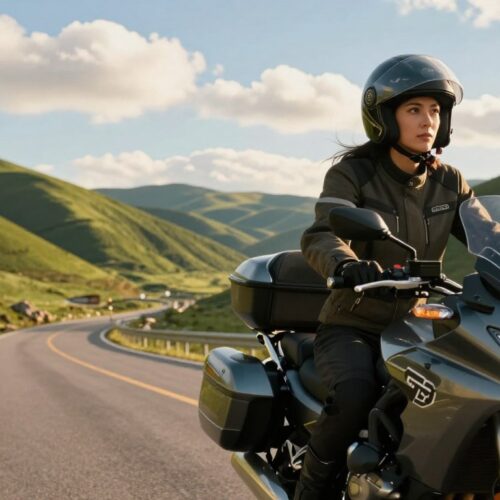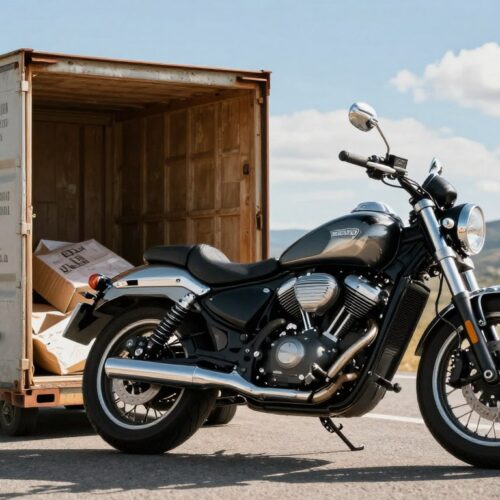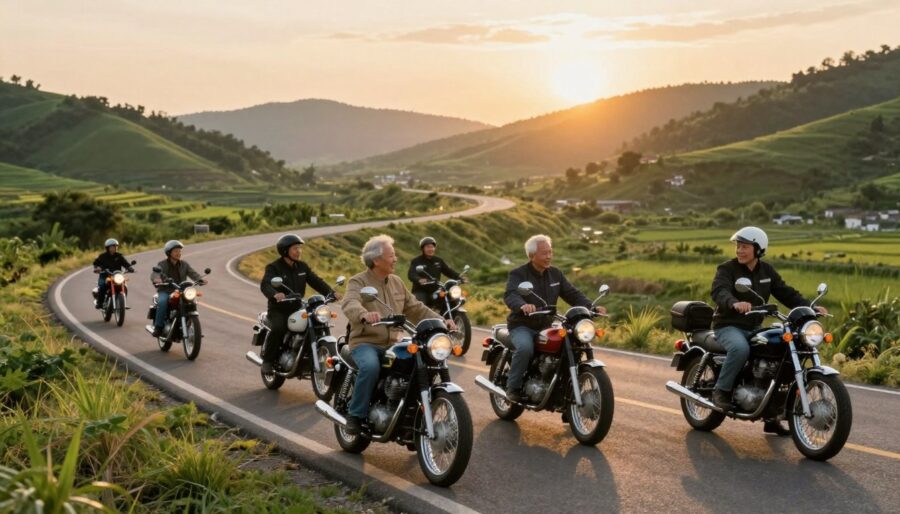
This guide helps you plan long rides with more comfort, fewer surprises, and smarter risk management as you ride through your golden years.
You’ll find clear goals and checklists to use now. The advice focuses on smarter pacing, better prep, and choosing comfort over bravado while keeping the fun alive.
Expect practical sections on trip goals, body and mind readiness, bike fit and skill refresh, maintenance, gear, and day-to-day logistics. Safety is the baseline you’ll return to: helmet, protective outer gear, constant awareness, and stopping when tired.
This article is written with U.S. roads, distances, and lodging patterns in mind, yet the rules work broadly. You’ll also see the social upside: many people met on the road become part of a supportive touring community that boosts confidence on longer tours.
By the end, you’ll have actionable decision rules and checklists to plan a safer, more comfortable tour. Use this title and description on your website index or personal notes to keep the plan handy.
Set realistic trip goals for comfort, safety, and enjoyment
Decide on trip goals that put comfort, safety, and simple enjoyment first. Choose routes that match your current riding experience so you stay confident and calm on the road. Favor two-lane scenic highways over congested interstates when you want a relaxed pace.
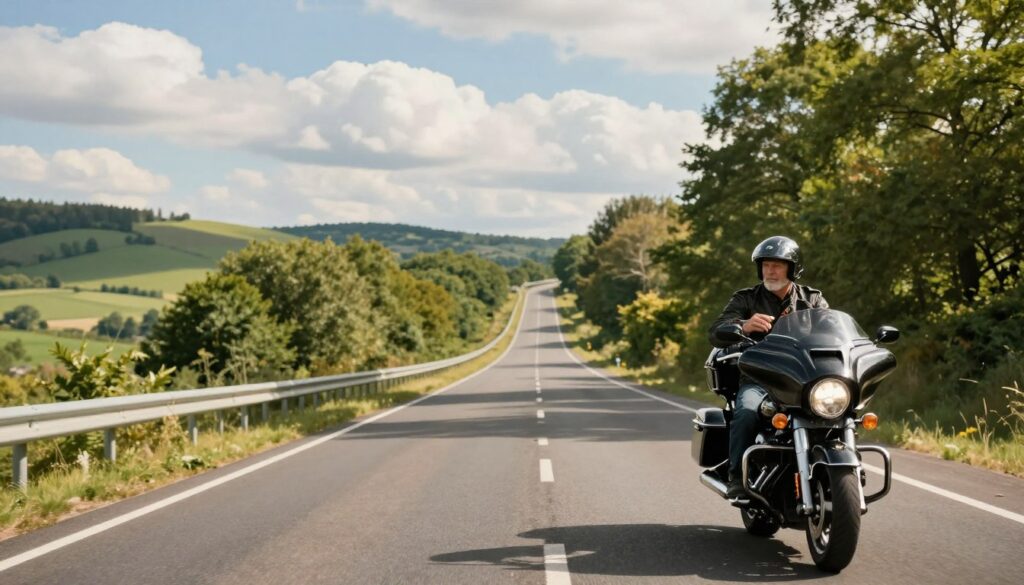
Plan your time with shorter ride days and built-in buffer. Set a daily mileage target based on your comfort, not someone else’s pace. Build extra time into each day so you avoid rushed decisions.
- Leave earlier, stop more often, and finish the day earlier to keep energy steady.
- Avoid night riding to reduce glare, fatigue, and surprise hazards like wildlife crossings.
- Use a simple stop rhythm — aim for breaks every 60–90 minutes to hydrate, stretch, and refocus.
Treat stops as part of the tour: scenic pullouts and chats with people you meet add to the experience. Use a clear decision rule: if you fall behind, shorten the route rather than cutting safety margins.
Motorcycle travel for seniors starts with your body and your mindset
Your body and attitude are the real engine of any long ride — prepare both before you roll. Begin each day with a short practice loop, such as a neighborhood circuit or a few parking-lot laps. This warms joints, confirms controls feel right, and reveals stiffness before you commit to a full day on the roads.
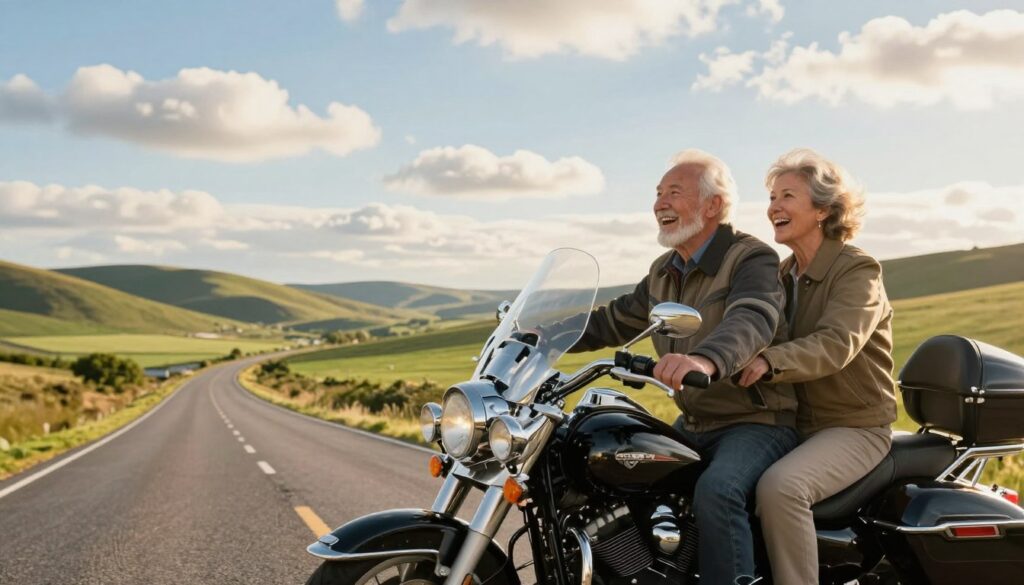
During stops do gentle mobility checks: wrists, shoulders, hips, and lower back. A few slow wrist circles, shoulder rolls, hip swings, and a seated lower-back twist restore range of motion and reduce pain on long hours in the saddle.
- Watch fatigue red flags: wandering attention, delayed braking, or a stiff neck — stop when you notice them.
- Keep vision and hearing checks on your pre-trip list; eyesight and hearing are critical parts of hazard detection and overall safety.
- Be willing to shorten a day or choose an easier route. Riding consistently and within limits makes the world along the way its own reward.
Choose (or adjust) a bike that fits you now
Choose a bike setup that keeps you comfortable and in control every mile.
Start by evaluating whether your current motorcycle still suits your body. Check low-speed control, seat height, and how your wrists, shoulders, and lower back feel after an hour in the saddle.
Prioritize an upright riding position
An upright riding position eases pressure on the back and wrists and improves visibility. Small posture changes often make long days far more comfortable and reduce fatigue that can harm decision-making late on a tour.
Consider downsizing to something lighter
A lighter bike is easier to maneuver, steadier at slow speeds, and simpler to right if it tips. Downsizing is a practical choice, not an ego move — it can keep you safer and more confident on long rides.
Dial in ergonomics and test options
Try better seats, handlebar risers, and minor changes to handlebar width and seat height. These tweaks often eliminate pressure points and improve reach.
- Research comfortable touring models like the BMW K 1600 GTL, Honda Goldwing F6B, or Indian Roadmaster.
- Consider three-wheel alternatives (Can-Am Spyder, Harley Tri Glide) if balance is a concern.
- Rent a few models on multi-day tests — rentals run about $80–$150 per day and help you pick the right bike before buying.
When your bike fits, your energy lasts longer and your decisions stay calmer on the road.
Refresh your skills and ride smarter, not harder
Refreshing key techniques is a smart performance and safety upgrade. Treat a short skills tune-up as an enhancement to your years of experience, not a restart. It helps you keep control and enjoy time on the road.
Take a course to sharpen braking and cornering
Sign up for a refresher or an advanced safety course to update braking, cornering, and hazard scanning to modern standards. A formal course (MSF-style course) teaches repeatable drills and feedback from instructors.
Practice low-speed maneuvers before departure
Use a pre-departure plan: figure-eights, U-turns, slow-speed balance, and controlled emergency stops. Make your reactions automatic so you handle surprises with less thought and more confidence.
Ride conservatively and consider group support
Give yourself extra following distance and smoother inputs to cut sudden decisions. Shift your mindset: you ride to arrive feeling good, not to win the day.
- Position skills refresh as performance and safety, not starting over.
- Practice basic drills until they feel natural.
- Consider a small group or guided tours for shared navigation and quick help.
Do a pre-trip maintenance check that reduces stress on tour
A short, focused service before you leave cuts a lot of roadside worry and keeps each riding day smoother.
Have a shop or yourself run a full pre-trip check so minor faults are fixed on your timetable. That reduces mental load; when your bike is solid you notice traffic and weather instead of odd noises.
Key items to inspect
- Brakes: pad thickness and lever feel.
- Tires: tread depth and pressure; look for cuts or bulges.
- Lights and signals: bulbs, lenses, and switches.
- Fluids and cables: oil, coolant, brake fluid, and clutch/throttle routing.
- Chain or belt: tension and lubrication or wear.
Daily quick routine
Start and end each day with a walk-around. Check for leaks, loose fasteners, and proper tire pressure. Early catches mean simple fixes, not roadside delays.
Roadside essentials to pack
- Tire plug kit and compact inflator or CO₂ cartridge.
- Spare fuses, a basic tool roll, and model-specific parts you often need.
- Small rag, zip ties, and a flashlight.
Plan service with time to test on local roads before you leave — that data point prevents last-minute surprises. Fewer breakdowns equal more consistent, enjoyable touring and better overall safety.
Pack protective gear and travel essentials for changing conditions
Prepare a kit that handles sun, wind, rain, and sudden temperature shifts so your day stays on track.
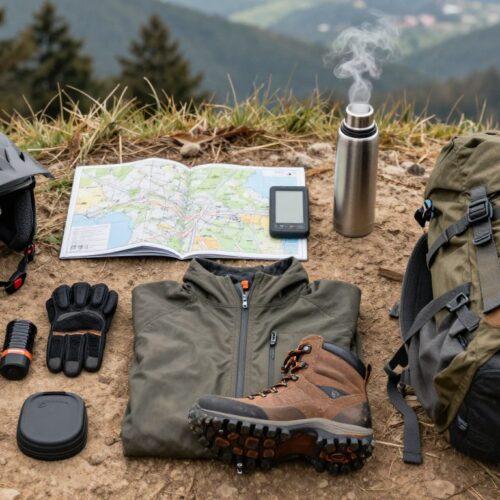
Establish your baseline: a DOT-rated helmet plus protective outer layers are non-negotiable on every ride day. Wear abrasion-resistant jacket and pants, reinforced gloves, and boots that cover the ankle.
Layering to manage temperature swings
Start cool at dawn and add mid-layers as temperatures rise. Use removable liners and a lightweight wind shell you can stow. Thermal liners and a breathable cooling base help when elevation or water brings sudden chill.
Rain, wind, and waterproofing
Carry compact rain gear and waterproof sacks for electronics and luggage. Quick-on rain shells keep you moving through short storms and prevent long delays on a tour.
Comfort add-ons that matter
- Better gloves and ear protection to reduce fatigue.
- Lumbar support or a gel seat pad to ease long hours.
- Temperature-management layers to keep concentration steady.
Remember: the open road exposes you to the world differently than a car, so packing well preserves focus, reduces fatigue, and keeps the adventure on track.
Plan daily logistics to make touring days smoother
A clear daily plan removes the small stresses that build up into big problems on tour. When you set simple rules for fuel, food, and lodging, your decision load drops and you ride more relaxed.
Fuel, food, and hydration planning to prevent energy crashes
Plan fuel stops so you never run low in remote stretches. Aim to refuel at two-thirds tank and note station spacing on your route.
Carry water and light snacks. Eat lighter meals during ride blocks to avoid post-meal drowsiness. Regular short breaks keep focus sharp and reduce sloppy decisions late in the day.
Lodging strategy so you’re not hunting for a room when you’re tired
Book ahead on busy weekends and in tourist towns. Set a firm stop time each day so you arrive with daylight and energy to choose a room calmly.
When possible, pick lodgings with secure parking and easy ingress so you can rest sooner and prepare for the next day.
Budget expectations and cost planning
Motorcycles often beat a car on fuel efficiency — cruiser/touring examples average about 45–50 mpg. Still, budget for tires, regular maintenance, and unexpected repairs.
- Insurance: check your policy before you leave; typical premiums can range roughly $200–$500 per year depending on profile and location.
- Rentals and guided tours: rentals run about $80–$150 per day and sometimes include helmets and basic insurance. Guided tours or a small group reduce planning stress with set routes and support.
- Set a contingency line in your budget for roadside assistance or minor upgrades.
Remember: touring is a system. The smoother your logistics, the more mental bandwidth you have to enjoy scenery, meet people at stops, and keep the adventure safe and fun.
Conclusion
Small, consistent changes to planning, gear, and habits let you ride into your golden years with confidence. Tune your motorcycle and bike setup, practice short skills sessions, and schedule frequent stops so each day stays enjoyable and safe.
Use this article as a title and description checklist on your website or personal index. Treat the data here as a compact plan: realistic goals, body prep, a bike that fits, refreshed skills, solid maintenance, proper protective gear, and simple daily logistics.
Before any tour, do a quick self-check: if something feels off, shorten the day or rest. Join local groups — other riders offer route tips and support. Pick one small improvement this week and build from there to protect your knees, back, and focus across your golden years.