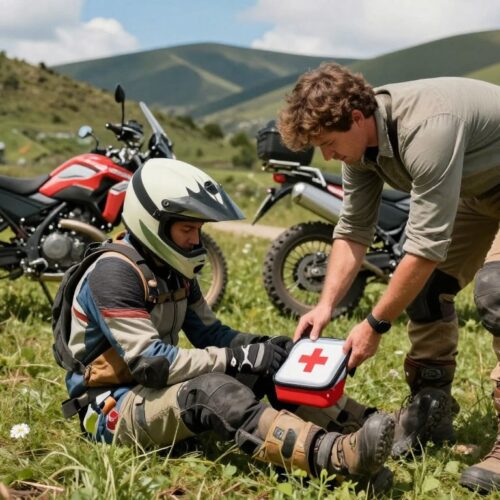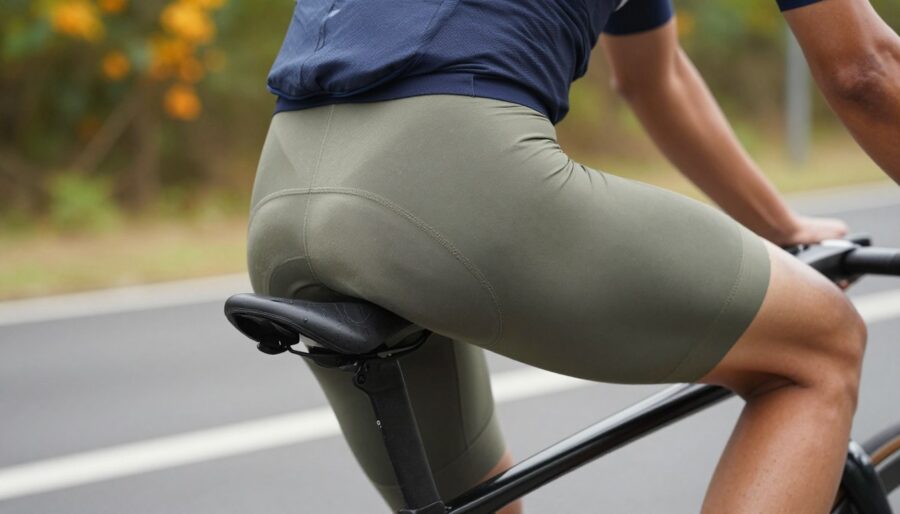
Your comfort matters on long rides. Dr. Kevin Sprouse, an elite team doctor, puts prevention first: change out of wet shorts, shower after a ride, and pick quality gear and a proper seat. Small steps stop minor irritation from becoming a trip-ending problem.
This guide clarifies what causes seat trouble, how it differs from numbness, and when to act. You’ll learn to reduce friction and pressure with fit, the right saddle choice, and better habits.
Focus on three levers: your setup (bike fit and saddle), your gear (shorts and chamois), and your routine (hygiene, gradual adaptation, and early care). These controls cut shear forces and keep skin dry before hot spots grow.
Real scenarios matter: long-distance days, sudden weather, swapping gear, and travel laundry limits are the times discomfort spikes. Watch for red flags—pus, spreading redness, or rising swelling—and get care instead of pushing through.
What Saddle Sores Are and Why They Happen on Long Rides
On long rides, tiny repeats of rubbing and focused load can turn simple irritation into a painful problem. When pressure stays aimed at one spot while you slide microscopically (shear), the skin and deeper tissues take repeated micro‑trauma. Add sweat or rain, and moisture makes the area vulnerable to infection.
How issues form:
- Constant pressure concentrates force on sit bones and soft tissue, cutting blood flow and breaking down the skin.
- Shear from small shifts causes chafing and tiny tears in the skin.
- Warm, damp conditions let bacteria like Staphylococcus grow and turn a red patch into an abscess.
Early signs start as redness or tenderness, then thickened skin, and sometimes a painful lump or cyst called an ischial hygroma. Numbness is different: that’s perineal pressure and nerve or blood-vessel compression, not a surface wound.
Common triggers are a new saddle, changed chamois pad, altered riding position, or a suddenly hotter, wetter day. Long rides multiply friction and pressure over time, so identify whether pressure, shear, or moisture is the main cause before you pick a fix.
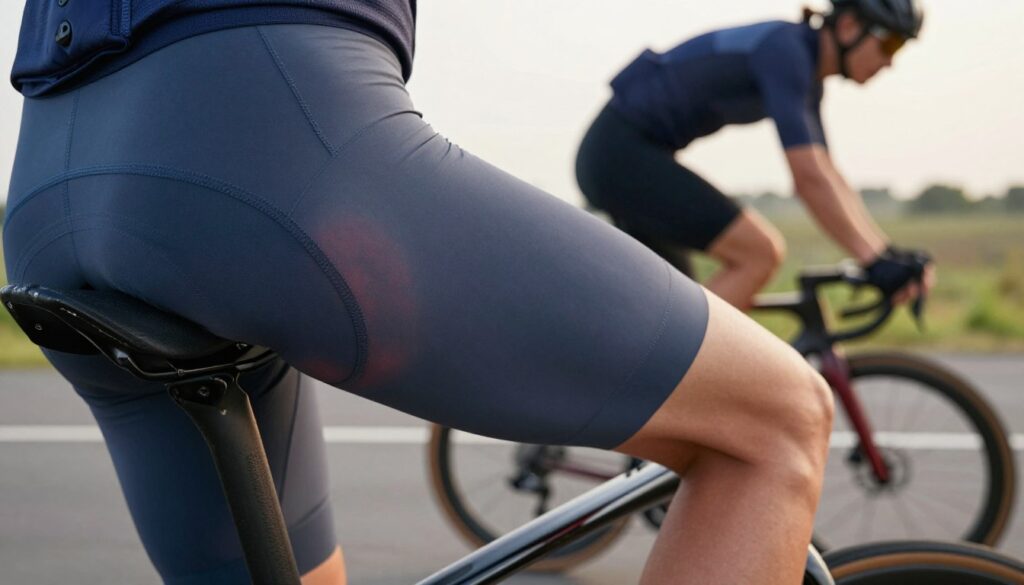
Bike Fit, Saddle Choice, and Position Adjustments That Reduce Friction
A precise fit and small in-ride tweaks cut rubbing and keep your ride more comfortable. Start by treating fit as the fastest lever: a too-high seat makes your hips rock and raises shear, which means more chafing even with good shorts.
Dial in saddle height
Aim for a stable pelvis and smooth pedaling. ErgoFiT recommends a height that stops side-to-side rocking so the same contact points do not repeat friction. If your hips move, you increase shear and the chance of hot spots.
Match width to your sit bones
Use AGU’s sit-bone cardboard test at home to check width, or try a pro pressure-map for stubborn issues. Your sit bones should carry most load; if soft tissue bears weight, you’ll get numbness, heat, and lingering discomfort.
Design choices and in-ride adjustments
Cut-outs, channels, short-nose, or noseless options can help some riders. Test carefully: edges can compress nerves or vessels for others. Modern adaptive and 3D-printed saddles spread pressure better but still need correct height and width.
- Micro-adjust position often: shift hands, sit slightly upright, or unweight the sit briefly to restore blood flow.
- Small changes in height, width, or position reduce friction and lower the risk that minor irritation becomes a real problem.
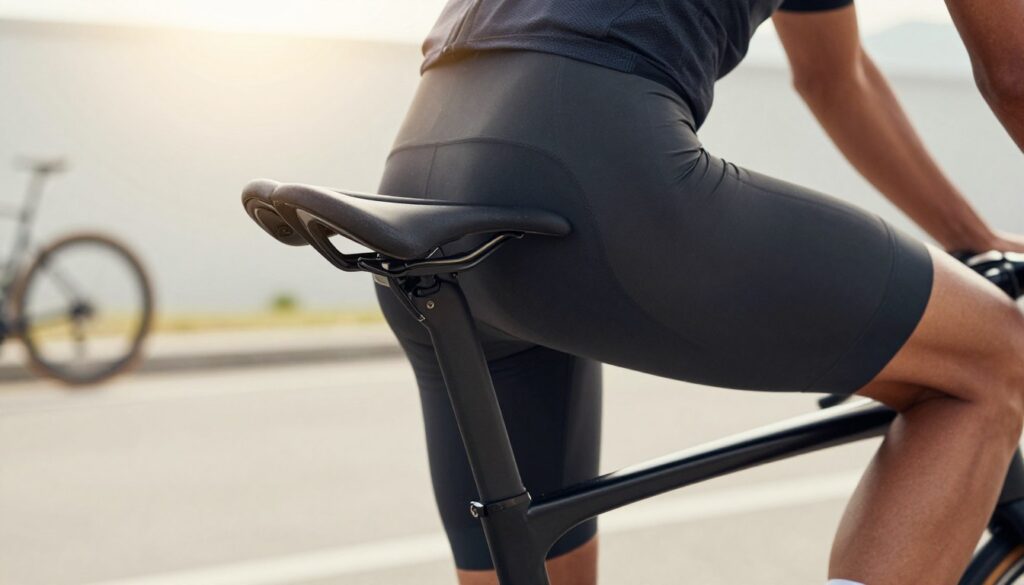
Preventing Motorcycle Saddle Sores With Gear, Hygiene, and Skin Care Habits
Choose the right shorts and care routine to keep skin healthy through long rides. Good kit means cycling shorts or bibs with a multi-density chamois, moisture-wicking fabric, and flat-lock seams that avoid pressure ridges.
Replace worn shorts when padding compresses or seams curl; old shorts trap moisture and bacteria and raise friction. Skip underwear under cycling shorts to cut extra seams and hot spots.
Use chamois cream correctly: apply a thin layer to high-rub zones on your skin before rides and optionally a light smear on the pad. Look for creams with barrier or antimicrobial ingredients like tea tree oil or zinc oxide for extra protection on long, wet days.
Get out of sweaty kit fast. Shower gently, dry thoroughly, and change to loose clothing to aerate the area. Build core strength and add saddle time gradually so your body adapts before long mileage days.
- Watch early signs: redness, tenderness, swelling, or thickened skin—act early by reducing load and keeping the area dry.
- Don’t ride through worsening signs: pus, spreading redness, or rising pain needs medical care; infected lesions may need antibiotics or drainage.
- For women, choose women-specific chamois designs and avoid harsh perfumed products that can disrupt pH; persistent swelling may require clinical evaluation.
Conclusion
Conclusion
Wrap up with a simple prevention stack you can use today: correct fit and saddle selection to manage shear and pressure, quality shorts and modest chamois cream, plus strict post-ride hygiene to control moisture.
Do these quick checks before you leave: clean shorts, skip underwear, apply chamois cream to high‑rub zones, and plan brief posture shifts on long cycling efforts. During the ride, watch for pelvic rocking and adjust saddle height or position to stop repeat rubbing.
After the ride, change out of kit fast, shower gently, dry the area, and wear loose clothing. If a developing saddle sore worsens or shows pus or spreading redness, seek medical care rather than riding through it.