You plan long summer trips and need simple ways to keep your focus and reaction time sharp. Heat, sun, engine warmth, and the steady wind speed up fluid loss, so you lose water faster than you expect.
This guide shows why this happens and gives a practical plan you can use right away. Drink early, drink often, and make water access automatic by tying sips to stops and using on-bike gear like bladders or quick-access bottles.
We’ll cover easy routines, bottle and bladder options, electrolyte basics, and snack choices that support performance. This is a hands-on how-to, not medical advice; if you feel very ill, stop and seek help.
By the end, you’ll have a simple routine to protect your focus, improve comfort, and increase safety for every long ride under hot U.S. weather.
Why Heat and Wind Make Dehydration a Real Risk on Long Summer Rides
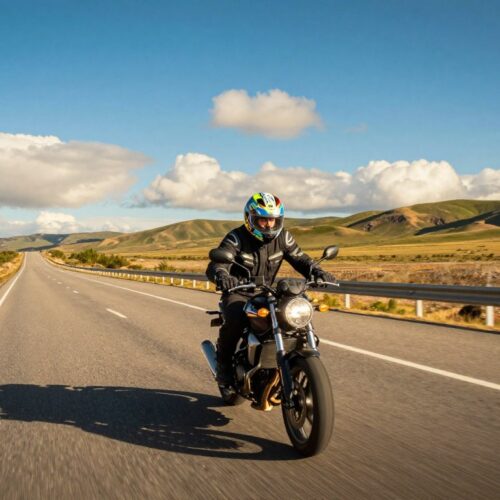
Hot pavement, engine heat, and constant wind combine to make long summer rides deceptively drying. Your body sits exposed to direct sun and radiant warmth from the engine. At the same time, steady airflow speeds evaporation and pulls moisture away faster than you feel.
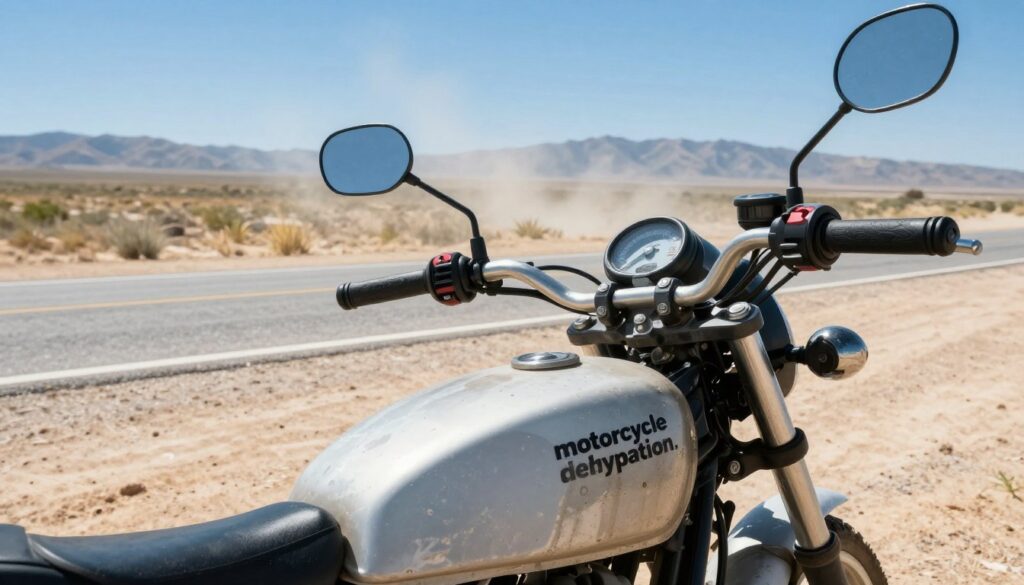
Direct sun raises skin temperature. Engine heat adds radiant warmth near your legs and torso. Warm wind dries sweat quickly, so you often underestimate how much fluid you lose while riding.
How fluid loss affects your riding
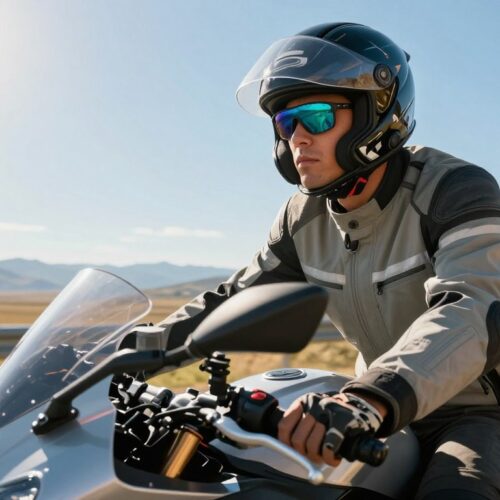
Even mild dehydration slows reaction time and narrows your focus. That makes it harder to track traffic, spot road hazards, and react in time.
Muscle strain matters too. Holding posture, balancing at speed, and frequent stops all add fatigue. Low fluid levels make those tasks harder.
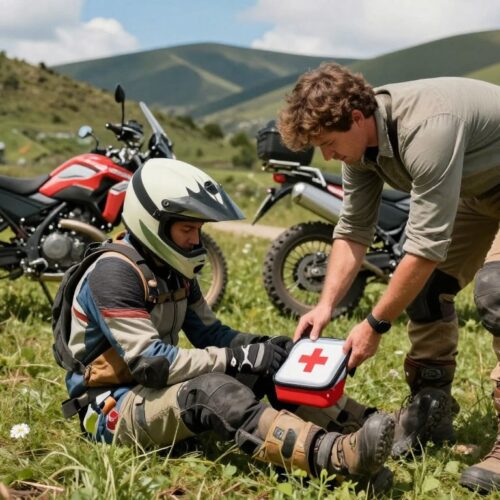
Heat exhaustion warning signs — stop now
- Nausea, dizziness, lightheadedness, or unusual fatigue
- Headache, confusion, or a rapid decline in how you feel
- Severe signs: nosebleeds or vomiting — get off the road and seek urgent care
Don’t wait for thirst. By the time you feel thirsty, you may already be behind on fluids during sustained heat. Make sure you follow a regular water-stop routine illustrated in the next section to protect your safety and riding performance.
Staying Hydrated on a Motorcycle With a Simple Water-Stop Routine
A short, repeatable water plan at each road stop removes guesswork and keeps your hydration steady during long summer riding. Turn common fuel breaks into reliable drink cues so you don’t rely on thirst alone.
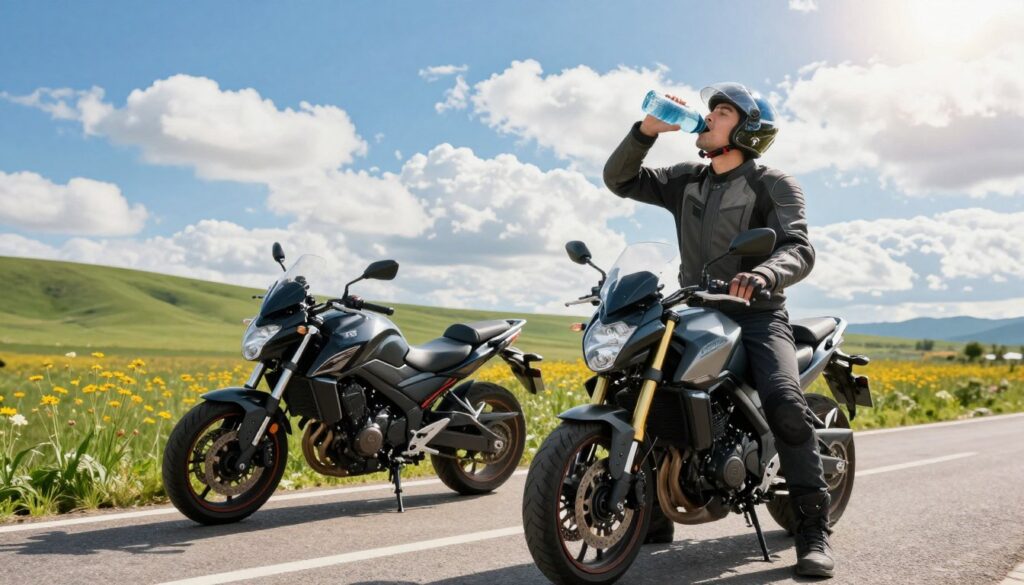
Use fuel stops as hydration triggers
- At the first fuel stop, drink half of a 16-ounce bottle before you put your helmet back on.
- Store that bottle on the bike in an easy pocket so it stays available for the next stop.
- At the following stop, finish the bottle and then take another half bottle before you ride out.
Pre-helmet sips and post-stop follow-through
Pre-helmet sips top off your system before wind and heat begin to pull moisture away. Post-stop follow-through makes the routine repeatable even when you rush.
How often to drink in hot weather
When temperatures climb, plan extra pauses. Drinking roughly every 30 minutes in extreme heat helps prevent dehydration and keeps focus sharp.
Practical bottle storage ideas
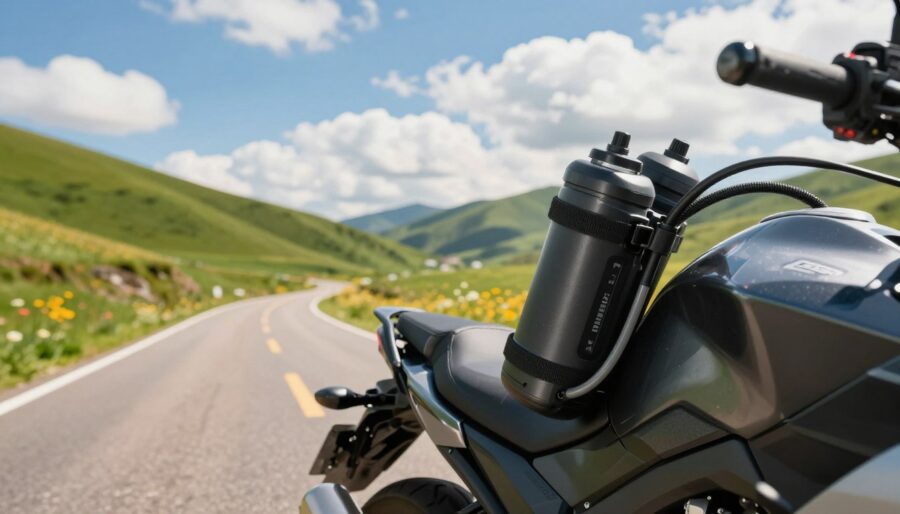
- Tank bag pocket, saddlebag side pouch, tail bag, or a dedicated holster.
- Choose leak-proof bottles and stow them where gloves can still reach them.
- Make sure the bottle is visible—out of sight often means not used.
Use this routine as a safety habit: steady hydration reduces fatigue and helps you enjoy long summer rides. (Tip: add a responsive html meta like device-width for mobile planning.)
Choose the Right On-Bike Hydration Setup for Long Days in the Saddle
Choose gear that keeps drinking reachable without unzipping luggage or removing your helmet. An on-body hydration pack with a 2–3 liter bladder and shoulder hose is the simplest type to sip from when you pause at lights or in slow traffic.
Pick the right bladder size and pack
For long summer routes, 2–3 liters balances range and weight. Larger bladders give more water but reduce internal pack space. If you need room for gloves, cash, and tools, pair the pack with bike luggage.
Quality, durability, and leak prevention
Invest in a well-made pack. Better seams, stronger bite valves, and durable bladder materials cut risk of leaks and torn stitching that waste your water supply.
Cleaning, safety, and what to carry
Avoid sugary sodas in the bladder; when warm, they promote bacterial growth. Use water plus electrolyte tablets like Nuun if you want flavor and balance.
- Flush and air-dry the bladder and tube after each day.
- Route the hose under your jacket for easy bite-valve access.
- Do a quick leak check before highway speed.
Quick setup checklist: tube routing, bite valve access, pack position under your jacket, and a pre-ride leak test. These steps keep your water available and your focus sharp during heat-filled rides.
Replace Electrolytes and Hydrate Smarter With Food and Drink Choices
Long hours in high heat demand more than plain water to keep your body ready for focused riding. Sweat removes sodium, potassium, and other minerals that help your muscles and brain use fluid efficiently.
When to think beyond water: during prolonged heat, heavy sweating, or stop-and-go traffic. Add electrolytes if you feel cramping, excessive thirst, or lightheadedness.
- Ready-to-drink sports beverages: convenient but check sugar and caffeine levels.
- Mix-in powders or tablets: portable, lower sugar options you can add to any bottle.
- On-the-road strategy: keep one packet in your tank bag so you can upgrade any bottled water at a gas stop.
Choose water-rich snacks at fuel stops: bananas, oranges, cut fruit cups, side salads, and baby carrots. These give fluid plus vitamins that help your body feel steadier over the day.
- Water first.
- Add electrolytes when heat or sweat is heavy.
- Pick produce over salty snacks and limit alcohol the night before a long day.
Quick caution: avoid sugary drinks in bladders; warm sugar promotes bacteria. Use purpose-made tablets if you want flavor and flush the system daily.
Conclusion
Conclusion
Small habits protect your focus and safety during long summer rides. Heat, engine warmth, and wind speed fluid loss, so plan how you sip instead of waiting to feel thirsty.
Tie drinking to fuel and rest stops: take a pre-helmet sip and a before-rollout top-off. This simple routine keeps intake steady and reduces risk during long trips.
Use accessible gear—a quality hydration pack or bladder with a tube—and add electrolyte tablets when sweat is heavy. Choose low-sugar options and fruit at stops to support recovery.
Before your next ride: start with water in the tank, pack reachable bottles, schedule 30–60 minute stops, watch for heat illness signs, and slow or stop if you feel off. When you plan fluid care, you stay more alert and ride safer.